
AT A GLANCE
- The N3 is the notice a care home landlord uses to raise rent, charges for care services, or charges for meals [1][2].
- All three need at least 90 days' written notice [2].
- Rent can go up once every 12 months and follows the general rent rules. Charges for care services and meals have no limit on amount or frequency [2].
- No increase is allowed until the tenant has received the care home information package [2].
Note: Sources are cited with [x] and listed with hyperlinks at the bottom of this post. Many of the charts are interactive, so you can use them to answer questions about your own building.
WHAT IT IS
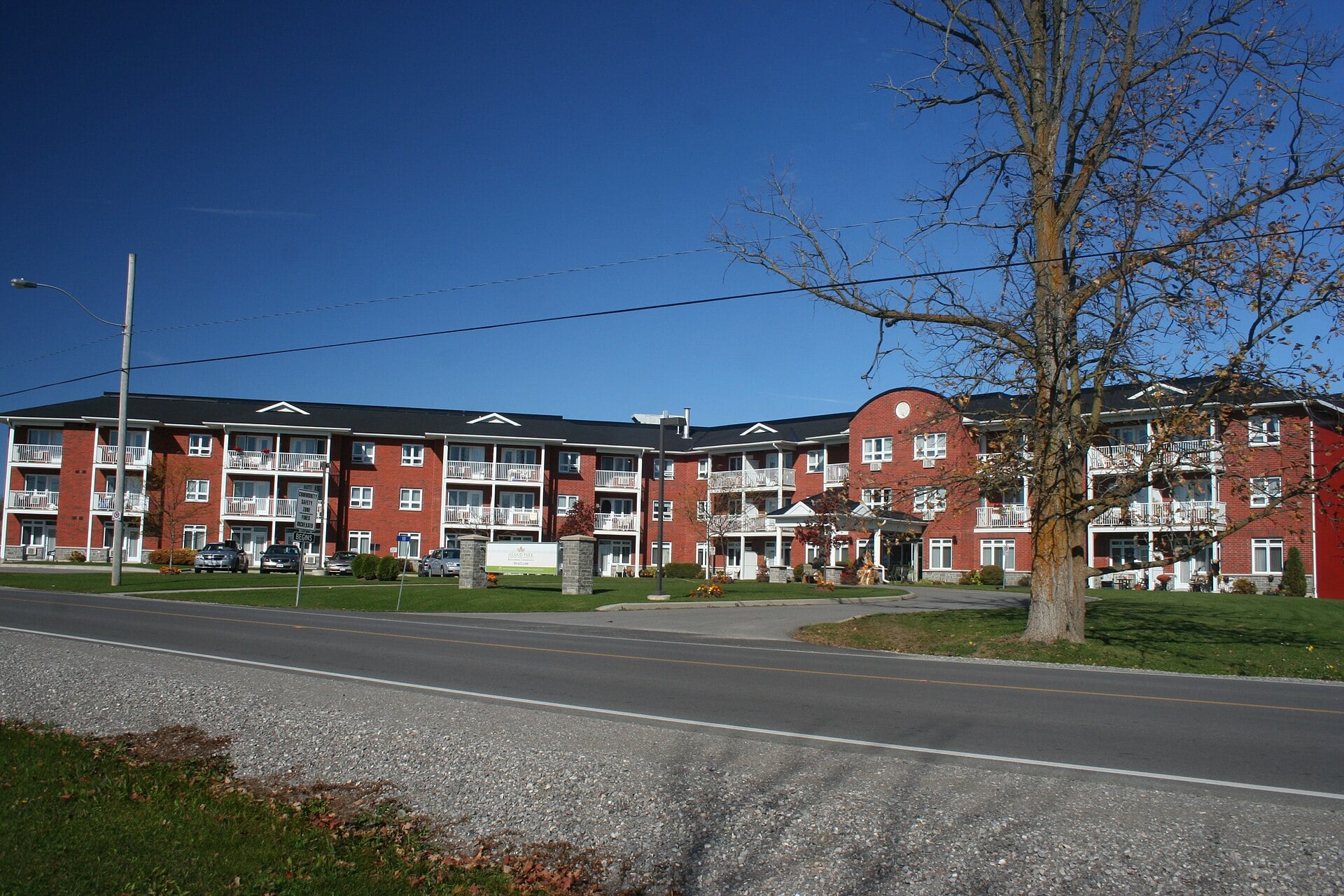
A care home is a residential building where people live so they can receive care services, such as nursing care, help with daily living or supervised medication. Many retirement residences qualify. Long-term care homes funded by the province do not, because they fall under other legislation [2]. The N3 is the single notice that covers every type of increase in these buildings.
WHEN IT IS USED
Use it whenever any part of the monthly bill is going up. In a care home, "rent" does not include what the landlord charges for care services or meals, so the two are treated separately [2]. Ontario's guideline applies only to the rent portion [3].
DO NOT CONFUSE IT WITH
The N1. A care home operator who uses an N1 has not given proper notice of a service or meal increase, and the tenant does not have to pay an increase without proper notice [2].
Investor takeaway: a retirement residence has two income lines with very different rules. Rent is controlled. Services and meals are not capped. When I review a seniors' property, I separate the two on the rent roll first, because that split drives how much the income can grow.
QUICK ANSWERS
Can a retirement home raise meal or care charges by any amount in Ontario?
There is no limit on the amount or frequency of increases to care service and meal charges, but 90 days' written notice on Form N3 is required [2].
Does the rent increase guideline apply to care homes?
Yes, to the rent portion only [3].
Disclaimer: This post is for information only and is not legal advice. Confirm current forms and rules with the Landlord and Tenant Board or a licensed paralegal or lawyer before you serve or file.
This post is part of a series on Ontario Landlord and Tenant Board forms. See the full guide to the N series and L series.
About the Author: Terry Riddoch, Ontario Multi-Family and Commercial Real Estate Broker
 Terry Riddoch is a licensed Ontario real estate broker with Re/Max Real Estate Centre, based in Waterloo Region and specializing in multi-family and apartment building sales across Ontario. With 19 years of experience and over $90 million in closed transactions, he advises independent landlords, private investors, and national investment groups on buying, selling, and valuing apartment buildings, investments and development land across the Province of Ontario including Waterloo Region (Kitchener, Waterloo and Cambridge), Guelph, Brantford, Hamilton, London, Milton, Windsor, Kingston, Belleville, Brockville and Sudbury.
Clients know Terry for candid advice, data-driven analysis, and doing the work well ahead of the deal. He writes regularly on Ontario landlord rules, rent control, the Landlord and Tenant Board, and housing policy to help property owners make informed decisions.
Thinking about selling an apartment building, or looking for your next investment property? Call Terry at (519) 591-1725, email [email protected], or visit terryriddoch.ca for a confidential, no-obligation conversation about your property.
SOURCES
- Tribunals Ontario. Landlord and Tenant Board: Forms, filing and fees. https://tribunalsontario.ca/ltb/forms-filing-and-fees/
- Landlord and Tenant Board. Brochure: Rules for Care Homes. https://tribunalsontario.ca/documents/ltb/Brochures/Rules%20for%20Care%20Homes.html
- Government of Ontario. Residential rent increases (updated June 23, 2026). https://www.ontario.ca/page/residential-rent-increases
- Tribunals Ontario. N3 form. https://tribunalsontario.ca/documents/ltb/Notices%20of%20Rent%20Increase%20&%20Instructions/N3.pdf
Check out this article next